Back to Blog
Software Engineering
Microservices vs. Monolithic Architecture
Mandla Zulu
February 20, 2024
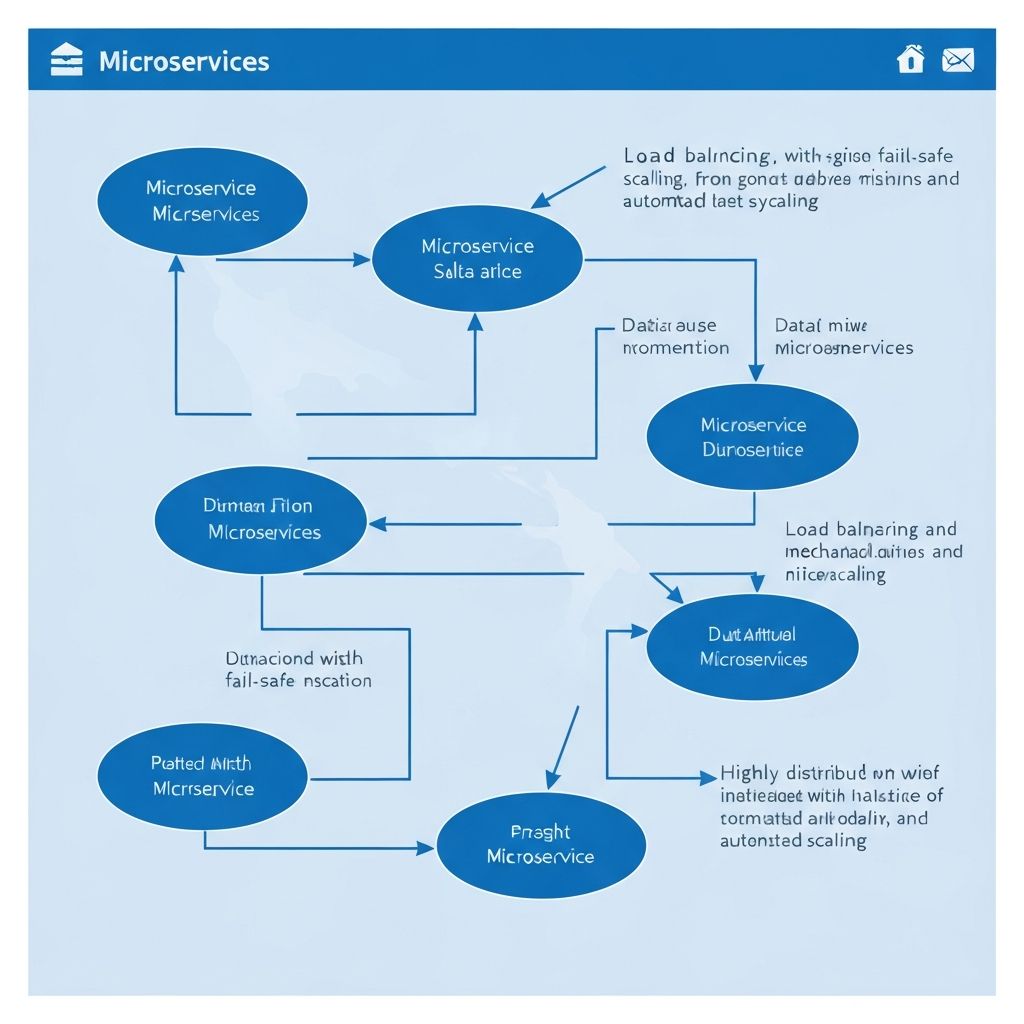
Compare these two architectural approaches and learn which one is right for your next project.
Choosing the right architecture is one of the most critical decisions in software development. Let's explore the differences between microservices and monolithic architectures to help you make an informed choice.
## Understanding Monolithic Architecture
A monolithic application is built as a single, unified unit:
### Characteristics
- Single codebase
- Tightly coupled components
- Shared database
- Deployed as one unit
### Advantages
- Simpler to develop initially
- Easier to test
- Straightforward deployment
- Better performance for small applications
### Disadvantages
- Difficult to scale
- Technology stack lock-in
- Longer deployment cycles
- Higher risk of system-wide failures
## Understanding Microservices Architecture
Microservices break applications into small, independent services:
### Characteristics
- Multiple codebases
- Loosely coupled services
- Distributed databases
- Independent deployment
### Advantages
- Easier to scale specific components
- Technology flexibility
- Faster deployment cycles
- Fault isolation
### Disadvantages
- Increased complexity
- Distributed system challenges
- More difficult to test
- Higher infrastructure costs
## When to Choose Monolithic
Monolithic architecture works well for:
- Small to medium applications
- Simple business logic
- Limited team size
- Tight deadlines
- Proof of concepts
## When to Choose Microservices
Microservices are ideal for:
- Large, complex applications
- Need for independent scaling
- Multiple development teams
- Frequent updates required
- Long-term projects
## Migration Considerations
Moving from monolithic to microservices:
### Planning Phase
1. Identify service boundaries
2. Define communication protocols
3. Plan data management strategy
4. Establish monitoring and logging
### Implementation Phase
1. Start with strangler pattern
2. Extract services incrementally
3. Implement API gateway
4. Set up service discovery
### Challenges to Address
- Data consistency
- Service communication
- Distributed transactions
- Monitoring and debugging
## Best Practices
### For Monolithic Applications
- Maintain clear module boundaries
- Use dependency injection
- Implement proper testing
- Plan for future migration
### For Microservices
- Define clear service boundaries
- Implement proper API versioning
- Use containerization
- Establish robust monitoring
- Implement circuit breakers
## South African Context
Consider these factors for SA businesses:
- Infrastructure availability
- Team expertise
- Budget constraints
- Scalability requirements
- Maintenance capabilities
## Hybrid Approach
Sometimes the best solution is a hybrid:
- Start monolithic
- Extract services as needed
- Maintain core as monolith
- Scale critical components
## KATORA's Expertise
We help businesses choose and implement the right architecture:
- Architecture assessment
- Migration planning
- Implementation support
- Team training
- Ongoing optimization
## Conclusion
There's no one-size-fits-all answer. The right architecture depends on your specific needs, team capabilities, and business goals. Both approaches have their place in modern software development.
Need help deciding? Contact KATORA for an architecture consultation.
Tags
Software Architecture
Microservices
Monolithic
Development
About the Author
Mandla Zulu is a technology expert at KATORA, specializing in software engineering.
Interested in Our Services?
Let's discuss how KATORA can help your business leverage technology for growth.
Schedule a Consultation